It’s been a long day today, and if I’m honest, I’m tired; a 180-mile drive isn’t the worst impost in the world, but still suffering the consequential effects of the antibiotics I’m finishing tomorrow, the driving during the past couple of days has been…trying, is a good word I think.
Not that that is getting in the way of what I came back to Britain for.
And so this post will be somewhat briefer than last night’s, as another day of driving — this time to Cumbria and the Lakes District, 220 miles north — beckons, and as I didn’t make it to Bladon this afternoon to visit Sir Winston’s grave and pay my respects, that will happen in the morning before I set forth.
One of the things that added a layer of tedium to my movements today was a rainstorm — which blew up out of nowhere — that added a torrential downpour to the last 60 miles of my drive to Oxfordshire from Devon; it’s not the sort of thing one likes to see toward the end of a lengthy drive, and I’ve always found heavy rain easier to deal with on an open freeway: by the time the tempest arrived, I’d moved off the M4 Motorway and onto the lesser A-roads leading to Oxford instead.
But the other thing that has delayed my visit to St Martin’s Parish Church in Bladon was the sight, driving into Woodstock this afternoon, of Blenheim Palace — the familial seat of the Marlborough/Spencer-Churchill clan, and the birthplace of Sir Winston — and given my inability to get to Westerham to visit Chartwell at the start of the week, I decided to pay Blenheim a visit.
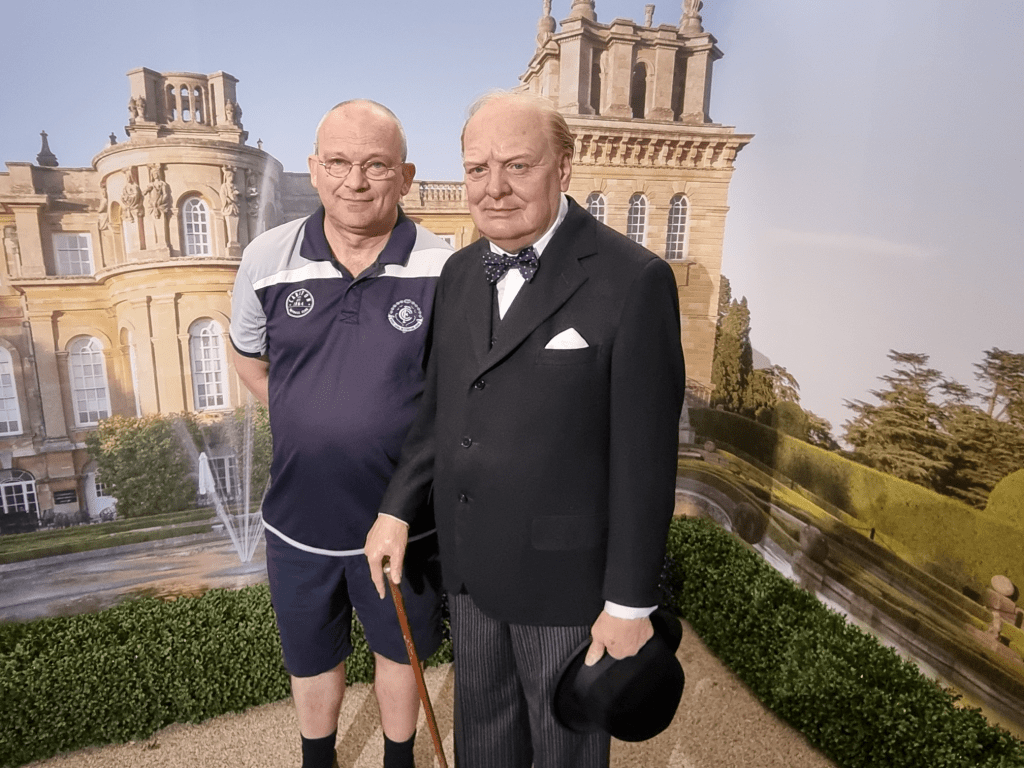
Some people think wandering around old buildings — regardless of their historical or cultural significance, or their centrality to interests others may have (in my case, the life and work of Winston Churchill) — is boring, a waste of time, or (with the entry fees that get charged) a waste of money.
I couldn’t disagree more: and while I might grumble about the price (at £32 for Blenheim Palace, more than half as much again as Chartwell would have cost) I think it’s important to know about history, and to learn about the individuals and events that have shaped it.

England, Europe and the entire free world owe a debt of gratitude to the Churchills: to Sir Winston, certainly, for the role he played in leading the defeat of Nazi Germany and the Third Reich; but also to John Churchill, the first Earl of Marlborough, whose decisive military victories in the 17th and 18th centuries were crucial to preserving Britain’s freedom at a time of shifting geopolitical realities and in an era of wars of conquest.
And to many other historical figures this aristocratic English family has produced over the past 200 years.
Blenheim — the land and funds to build it having been granted to John Churchill by Queen Anne in appreciation of his services to the country on the battlefield — itself has a rich history, with generations of Spencer-Churchills serving in the armed forces, at Westminster, and in Winston’s case as a war correspondent, army officer, member of Parliament for 64 years (save for a short stint without a seat in the 1920s) and, most famously, as Britain’s wartime Prime Minister from 1940 to 1945.
Many lived or were born here; some — like Winston himself — were controversial figures of their times, to say the least.
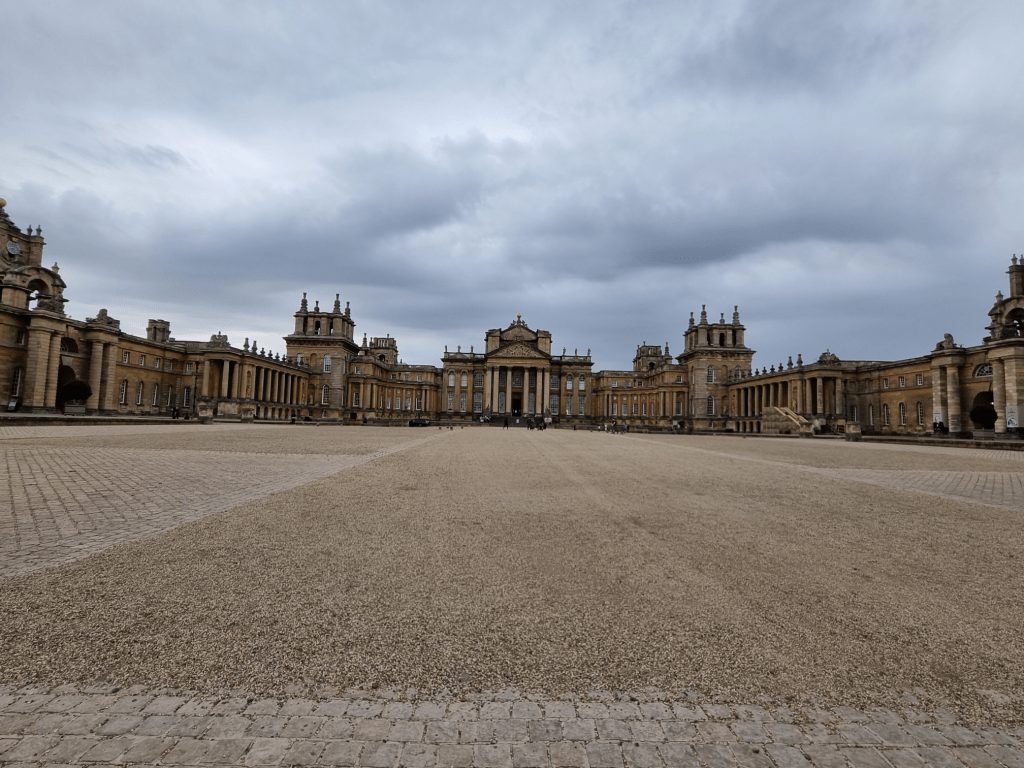
Most notoriously, Winston’s father — Lord Randolph Churchill — lurched from scandal to scandal in the late 1800s, culminating in the implosion of his career in attempting to bring the government of Lord Salisbury down while serving as Chancellor of the Exchequer. Salisbury’s government briefly reeled, but recovered; the episode destroyed Randolph, and the younger Churchill (who was no stranger to controversy in his own right, especially early in his political career) was obsessed with rehabilitating his father’s image and reputation, which probably fuelled the distaste Winston engendered for himself among some of his contemporaries: particularly those with long memories.
In any case, I had a pleasant hour or so wandering the old palace, before retiring to the gift shop to buy some things to take back to Australia for my kids. As you do.

I’m aware I haven’t done Blenheim the justice in this post it deserves, and for this I apologise; as I said, I’m tired. But before I head off again in the morning, I wanted to share with those following my journey where I’ve been, and give some insight into this magnificent residence, with its deep links to politics, society and government — both in Britain and, by virtue of its reach, across the world.
I will be back again tomorrow with more to share.
Right now I am going to sleep. It’s past midnight 🙂
 Return To Britain 2022